Research focus:
Advancing therapeutic strategies for diabetic muscle regeneration and ischemia through cellular reprogramming and angiogenesis.
Why this work matters:
Diabetes profoundly impairs muscle regeneration and blood flow, contributing to chronic wounds, ischemia, and ultimately limb loss. This work uncovers a key mechanism underlying these failures: disrupted cellular communication and maladaptive cellular reprogramming in diabetic muscle following ischemic injury.
By identifying loss of WNT9A signaling as a central driver of fibrosis, fatty infiltration, and delayed regeneration, this research demonstrates that targeted restoration of developmental signaling pathways can rescue muscle repair, angiogenesis, and functional recovery. Importantly, therapeutic delivery of WNT9A reversed these pathological changes in preclinical models and restored blood flow and mobility.
Together, these findings open a promising translational path toward regenerative therapies that address the root biological barriers to tissue repair in diabetes—offering new strategies to prevent limb-threatening ischemia and improve outcomes for patients at high risk of amputation.
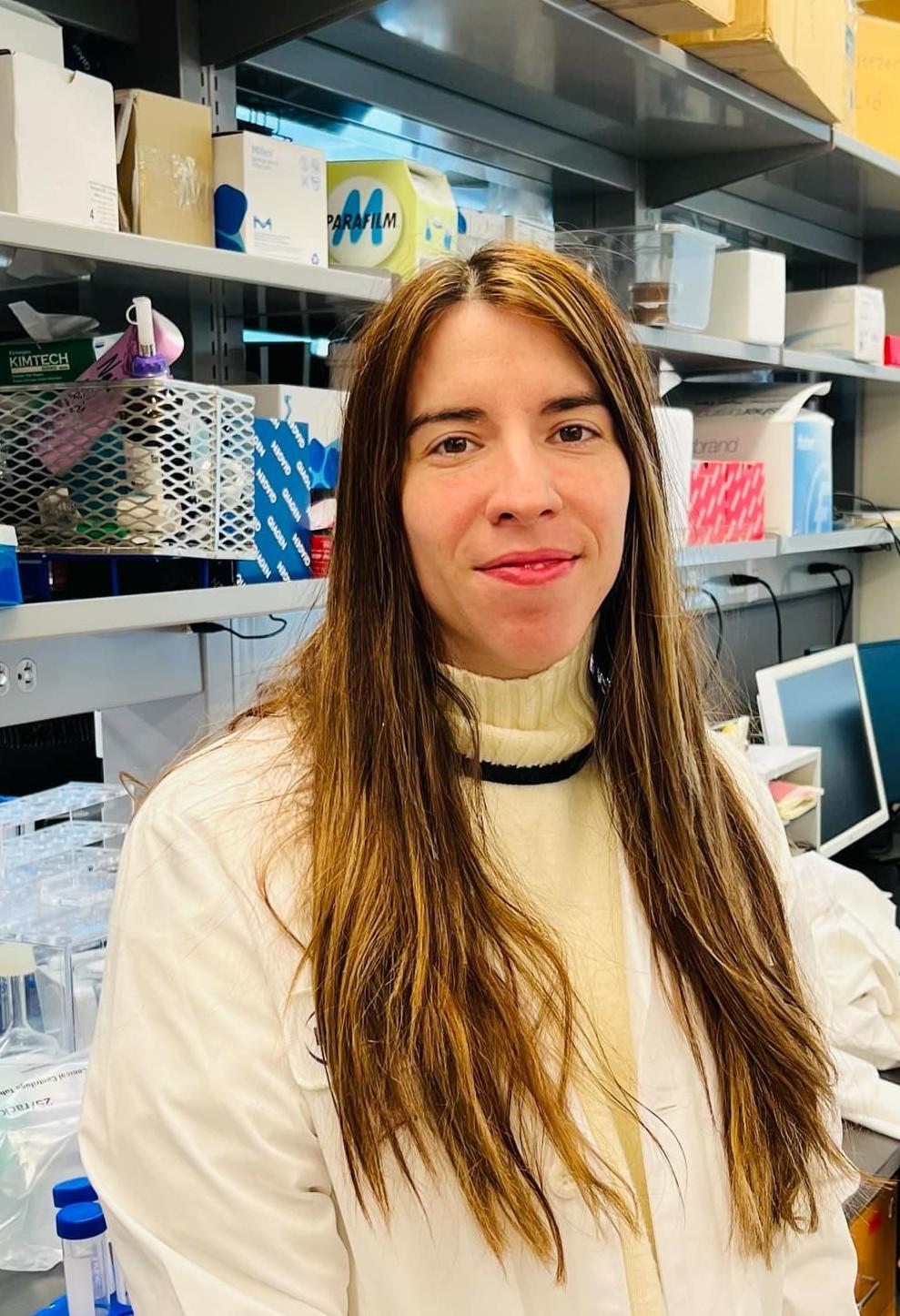
Research focus:
Improving re-perfusion and healing in diabetic ischemic skin flaps using angiogenic ADSC-derived therapies.
Why this work matters:
Diabetes severely impairs angiogenesis, leading to poor tissue perfusion, chronic wounds, flap necrosis, and frequent failure of limb-salvaging reconstructive procedures. Despite the clinical burden, there are currently no approved therapies that effectively restore vascular growth and tissue viability in diabetic ischemic wounds.
This work demonstrates that adipose-derived stromal cell conditioned media (ADSC-CM)—a cell-free, angiogenic biologic—can safely stimulate microvascular growth and restore perfusion in diabetic tissue, even under sustained hyperglycemia. Using rigorous ex vivo and in vivo models, this research shows that ADSC-CM enhances endothelial sprouting, improves blood flow, and significantly reduces tissue necrosis in ischemic diabetic skin flaps.
By offering a translatable, off-the-shelf biologic strategy that avoids the risks of live cell therapies, this approach has the potential to improve surgical outcomes, reduce repeat interventions, and advance limb preservation in patients with diabetes.

Research focus:
AI-guided strategies to improve offloading adherence and outcomes in diabetic foot ulcer management.
Why this work matters:
Failure to adhere to offloading therapy remains one of the most significant—and preventable—barriers to healing diabetic foot ulcers, directly contributing to delayed recovery, infection, and risk of amputation. This work tackles adherence not as a compliance issue, but as a solvable clinical and behavioral challenge.
By integrating AI-driven digital coaching with sensor-based offloading technology, this research demonstrates how personalized, real-time feedback can meaningfully improve patient engagement with prescribed care. The findings show that tailored message tone and timing play a measurable role in restoring adherence when it lapses.
This approach offers a scalable framework for combining artificial intelligence with clinical care to support wound healing, reduce preventable complications, and advance patient-centered strategies in limb preservation.
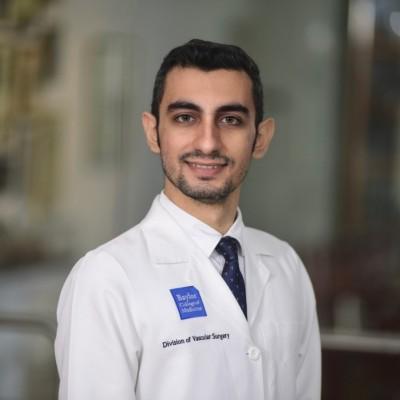
Research focus:
Understanding how RAGE-mediated immune training influences inflammation and tissue repair in diabetes.
Why this work matters:
Chronic inflammation is a major barrier to tissue repair in diabetes, driving non-healing wounds and increasing the risk of limb loss. This work uncovers a previously underappreciated mechanism by which diabetes “trains” immune cells to remain persistently pro-inflammatory, impairing their ability to support regeneration.
By showing that advanced glycation end products (AGEs) reprogram macrophages through the RAGE–DIAPH1 signaling axis, this research links metabolic dysfunction in diabetes to long-lasting immune memory. These epigenetic and metabolic changes lock immune cells into a state that favors inflammation over repair, contributing to delayed wound healing and chronic tissue damage.
Importantly, the study identifies actionable molecular targets within this pathway. Genetic and pharmacologic disruption of RAGE–DIAPH1 signaling prevented maladaptive immune training and restored key cellular functions in preclinical models. These findings open new therapeutic avenues to rebalance inflammation, enhance tissue regeneration, and ultimately reduce the burden of diabetic foot ulcers and amputation risk.

Research focus:
Engineering biomimetic nanofiber scaffolds to promote wound healing in non-healing diabetic fibroblasts.
Why this work matters:
Chronic diabetic foot ulcers remain one of the most difficult complications of diabetes to treat, often failing to heal despite standard care and placing patients at high risk for infection, amputation, and reduced quality of life. A central challenge is that fibroblasts within these wounds become “non-healers,” losing their ability to migrate, remodel tissue, and support regeneration.
This research introduces a novel biomimetic approach that combines electrospun nanofiber scaffolds with calreticulin, a multifunctional wound-healing protein. By mimicking the structure of native extracellular matrix and enabling sustained, localized delivery of bioactive signals, these scaffolds do more than accelerate wound closure—they actively reprogram dysfunctional diabetic fibroblasts back into phenotypic healers.
By restoring key cellular behaviors such as migration, proliferation, matrix production, and growth factor responsiveness, this work demonstrates a fundamentally new strategy for chronic wound repair. Rather than compensating for impaired healing, it targets the underlying cellular dysfunction driving non-healing wounds, opening a promising translational pathway for durable, regenerative therapies in diabetic limb preservation.

Research focus:
Targeting macrophage-derived extracellular vesicles as therapeutic tools in diabetic vascular complications.
Why this work matters:
Vascular complications are a major driver of tissue ischemia, impaired wound healing, and limb loss in diabetes, yet the underlying mechanisms linking inflammation to defective blood vessel growth remain incompletely understood. This work identifies a previously unrecognized mode of pathological communication in diabetes: harmful signaling carried by macrophage-derived small extracellular vesicles.
By discovering that diabetic macrophages release vesicles enriched with a specific microRNA, miR-7217-5p, this research reveals how inflammatory immune cells directly suppress endothelial cell function and angiogenesis. The study demonstrates that these vesicles impair blood flow recovery and capillary formation in ischemic tissue, while targeted inhibition of miR-7217-5p restores vascular repair both in vitro and in vivo.
Importantly, this work establishes a clear molecular target—linking miR-7217-5p to disruption of key extracellular matrix interactions required for angiogenesis—and shows that blocking this signal can reverse diabetes-induced vascular dysfunction. These findings open a promising therapeutic pathway to improve perfusion, enhance tissue regeneration, and reduce the risk of limb-threatening ischemic complications in people with diabetes.